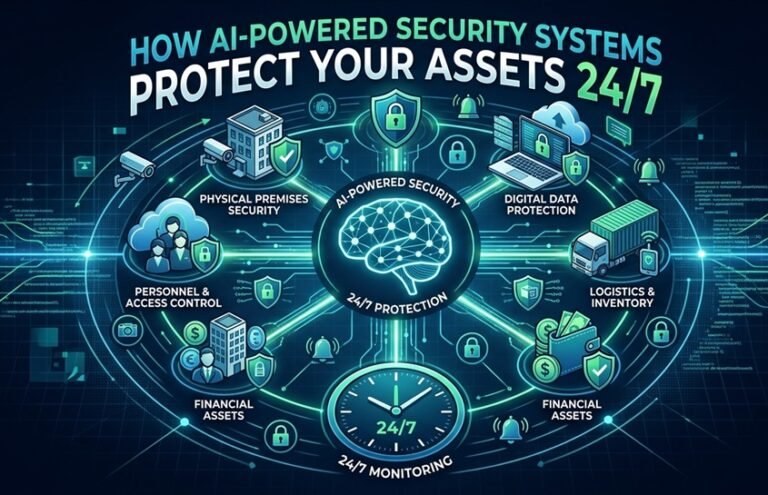
In today’s fast-moving business environment, security is no longer just about locks and guards. Modern organizations need intelligent, connected, and scalable systems that protect people, assets, and operations in real time. Smart physical security solutions bring together advanced technologies like AI, cloud platforms, and automation to create a unified and proactive security ecosystem.
What Are Smart Physical Security Solutions?
Smart physical security refers to the integration of multiple security components such as video surveillance, access control, alarms, and sensors into a single, intelligent platform. These systems are typically cloud-managed and powered by AI, enabling centralized monitoring, automation, and real-time decision-making.
Unlike traditional setups, modern solutions allow businesses to manage everything from one interface while gaining actionable insights from data. For example, platforms today combine video security, access control, alarms, and visitor management into a unified system with AI-driven analytics and automation.
Key Components of Smart Security Systems
1. Intelligent Video Surveillance
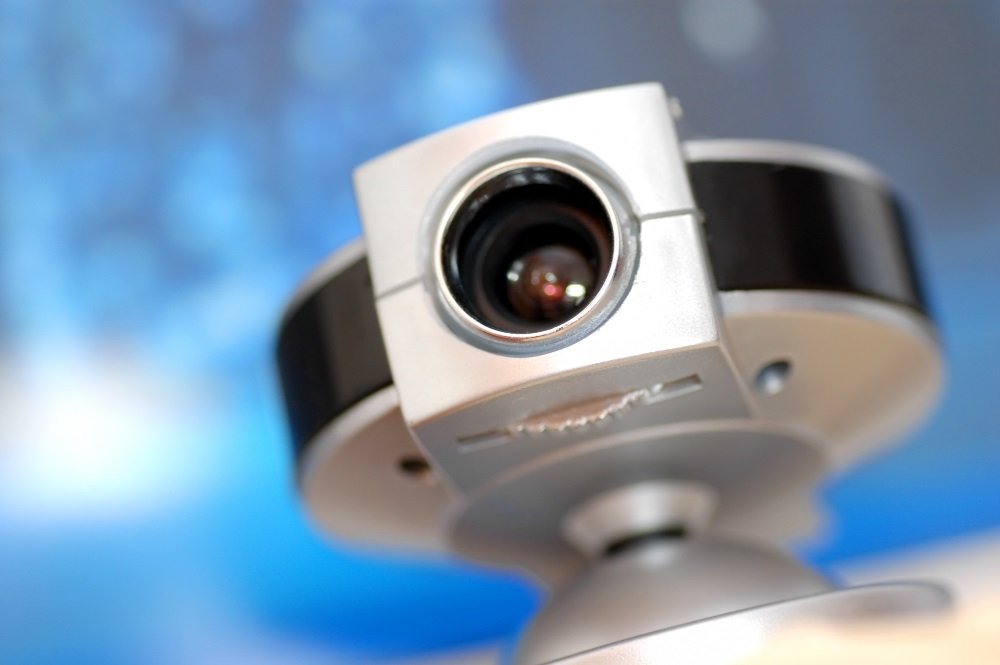
Modern CCTV systems go beyond simple recording. AI-powered cameras can detect unusual activity, recognize faces, track movement, and send instant alerts. Businesses can monitor multiple locations remotely and respond quickly to incidents.
2. Advanced Access Control
Access control systems ensure that only authorized individuals can enter specific areas. These systems now include biometric authentication, mobile credentials, and cloud-based management, making them both secure and flexible.
3. Smart Alarms and Sensors
Sensors detect motion, glass breakage, environmental changes, or unauthorized access. When integrated with other systems, they trigger automated responses such as alerts, camera activation, or lockdown procedures.
4. Visitor and Facility Management
Modern systems include tools for managing guests, deliveries, and mailrooms. This improves operational efficiency while maintaining strict security protocols.
5. Centralized Monitoring and Analytics
All components are connected to a centralized platform that provides real-time monitoring, reporting, and analytics. This allows businesses to identify patterns, optimize security strategies, and respond faster to threats.
The Role of Cloud and AI in Security
Cloud-based platforms have transformed physical security by enabling remote access, scalability, and simplified management. Businesses can monitor multiple sites from anywhere without heavy on-site infrastructure.
AI adds another layer of intelligence by analyzing video feeds, detecting anomalies, and automating responses. For example, AI can identify suspicious behavior, reduce false alarms, and provide predictive insights that help prevent incidents before they occur.
Modern solutions are increasingly hybrid-cloud based, ensuring high performance, reliability, and scalability for mission-critical systems.
Benefits for Modern Businesses
Enhanced Safety and Protection
Smart systems provide real-time visibility and faster response times, reducing risks to employees, customers, and assets.
Scalability and Flexibility
Cloud-based solutions can easily scale as your business grows, whether you operate a single office or multiple locations.
Cost Efficiency
Automation reduces the need for manual monitoring and minimizes operational costs over time.
Data-Driven Decision Making
Analytics and reporting provide valuable insights into security trends, helping businesses make informed decisions.
Seamless Integration
Modern security solutions integrate with IT infrastructure, networks, and other business systems, creating a unified ecosystem.
Industry Applications
Smart physical security solutions are used across various industries:
- Corporate Offices: Access control, surveillance, and visitor management
- Retail: Theft prevention, customer behavior analysis
- Healthcare: Patient safety, restricted access zones
- Education: Campus monitoring and emergency alerts
- Industrial Facilities: Perimeter security and environmental monitoring
These solutions are designed to align with both IT and operational goals, ensuring security strategies support overall business objectives.
Best Practices for Implementation
- Assess Your Security Needs
Identify vulnerabilities, critical assets, and compliance requirements. - Choose Scalable Solutions
Opt for systems that can grow with your business. - Integrate Systems
Avoid standalone solutions. Integration ensures better visibility and control. - Leverage AI and Automation
Use intelligent tools to reduce manual workload and improve response time. - Ensure Ongoing Support
Regular maintenance, updates, and monitoring are essential for long-term effectiveness.
The Future of Physical Security
The future of physical security lies in deeper integration between physical and digital systems. As businesses adopt IoT devices, edge computing, and advanced analytics, security systems will become even more predictive and autonomous.
Emerging trends include:
- AI-driven threat detection
- Cloud-native security platforms
- Integration with smart buildings and IoT
- Real-time incident response automation
Conclusion
Smart physical security solutions are no longer optional. They are a critical part of modern business infrastructure. By combining AI, cloud technology, and integrated systems, organizations can move from reactive security to proactive protection.
Investing in the right solution not only safeguards your assets but also enhances operational efficiency and builds trust with employees and customers.