Traffic congestion is one of the biggest challenges facing modern cities, and surprisingly, parking plays a major role in it. A significant portion of urban traffic comes from drivers circling streets looking for available parking spaces. Intelligent parking systems are designed to solve this exact problem by combining real-time data, automation, and smart guidance to improve overall traffic flow.
What Are Intelligent Parking Systems?
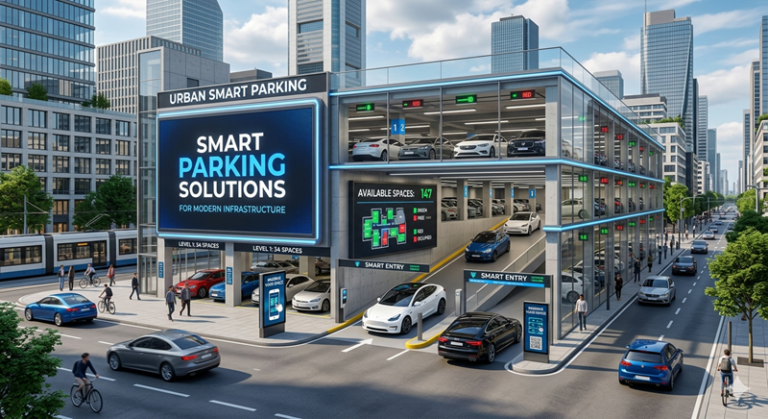
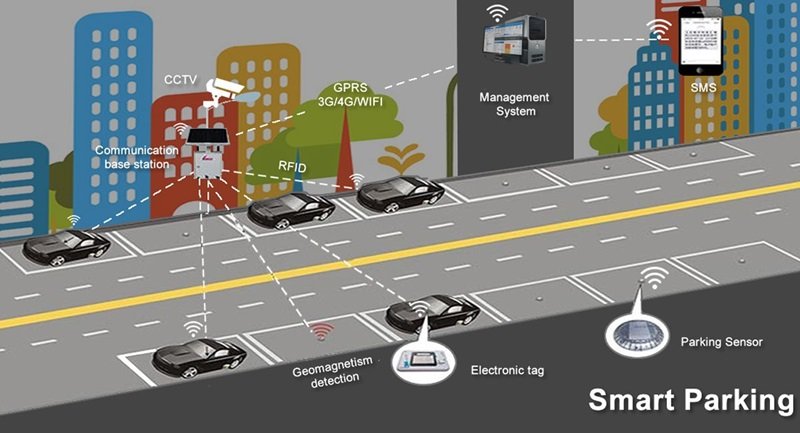
Intelligent parking systems are advanced, technology-driven solutions that help drivers quickly locate, access, and manage parking spaces. These systems use sensors, cameras, mobile apps, and cloud-based platforms to provide real-time information about parking availability.
Unlike traditional parking setups, intelligent systems create a connected ecosystem where data is continuously collected, analyzed, and shared with users and operators. This enables faster decision-making and smoother vehicle movement across urban areas.
The Link Between Parking and Traffic Congestion
Parking inefficiencies directly impact traffic flow. Research shows that in busy areas, a large percentage of drivers spend several minutes searching for parking, contributing significantly to congestion and emissions.
When vehicles slow down or circle repeatedly:
- Roads become crowded
- Traffic speed decreases
- Accident risks increase
- Fuel consumption rises
Intelligent parking systems address these issues by reducing the time spent searching for parking, which leads to smoother and faster traffic movement.
How Intelligent Parking Systems Improve Traffic Flow
1. Real-Time Parking Availability
Sensors detect whether a parking space is occupied or vacant and instantly update the system. Drivers can view this information via apps or digital signage, allowing them to go مباشرة to an available spot.
This eliminates unnecessary driving and reduces congestion on busy roads.
2. Smart Parking Guidance
Guidance systems use digital displays, mobile navigation, and LED indicators to direct drivers efficiently داخل parking areas.
Instead of random searching, vehicles follow optimized routes, improving circulation within parking facilities and surrounding streets.
3. Reduced Cruising Time
Studies show that drivers with access to real-time parking data are significantly more efficient in finding parking spaces.
Less cruising means:
- Fewer vehicles on the road
- Faster traffic flow
- Lower emissions
4. Automated Entry and Exit
Technologies like license plate recognition (LPR) and ticketless entry systems reduce queues at parking entrances and exits.
This prevents bottlenecks and ensures a continuous flow of vehicles, especially in high-traffic areas مثل malls and office complexes.
5. Data-Driven Traffic Management
Intelligent parking systems collect valuable data on vehicle movement, peak hours, and occupancy trends. This data helps city planners and operators:
- Optimize traffic routes
- Adjust parking pricing dynamically
- Plan infrastructure improvements
Modern systems are evolving into “data-oriented” platforms that actively support urban mobility planning.
Key Technologies Behind Intelligent Parking
IoT (Internet of Things)
Connected sensors and devices communicate in real time, enabling accurate monitoring of parking spaces.
Artificial Intelligence (AI)
AI analyzes patterns, predicts demand, and optimizes parking allocation for better efficiency.
Mobile Applications
Drivers can:
- Find nearby parking
- Reserve spaces
- Make digital payments
Cloud Computing
Centralized platforms process and store data, ensuring seamless system integration and scalability.
Benefits Beyond Traffic Flow
1. Reduced Congestion
By minimizing unnecessary driving, intelligent parking systems directly ease traffic pressure in urban areas.
2. Improved Driver Experience
Drivers spend less time searching, reducing stress and frustration.
3. Environmental Impact
Less driving means lower fuel consumption and reduced carbon emissions.
4. Enhanced Safety
Fewer vehicles circling parking areas reduce the risk of accidents and improve pedestrian safety.
5. Better Space Utilization
Cities can maximize existing parking capacity instead of building new infrastructure.
Real-World Impact
Modern smart cities are already adopting intelligent parking systems to improve mobility. These systems integrate with broader urban infrastructure, including traffic signals, navigation systems, and public transport networks.
The result is a more coordinated and efficient transportation ecosystem where parking is no longer a bottleneck but a contributing factor to smoother traffic flow.
Challenges to Consider
While intelligent parking systems offer major advantages, there are some challenges:
- Initial implementation costs
- Integration with legacy infrastructure
- Data privacy and cybersecurity concerns
- Ongoing maintenance of sensors and systems
However, the long-term benefits in efficiency, sustainability, and user satisfaction make them a worthwhile investment.
The Future of Intelligent Parking
The future of parking is moving toward fully automated and predictive systems. With AI and machine learning, parking systems will:
- Predict availability before arrival
- Suggest optimal routes in real time
- Integrate with autonomous vehicles
- Become a core part of smart city ecosystems
Conclusion
Intelligent parking systems are not just about managing parking spaces, they are about transforming how cities move. By reducing search time, optimizing traffic flow, and leveraging real-time data, these systems play a crucial role in building efficient and sustainable urban environments.
As cities continue to grow, adopting intelligent parking solutions will be key to reducing congestion, improving mobility, and enhancing the overall quality of urban life.